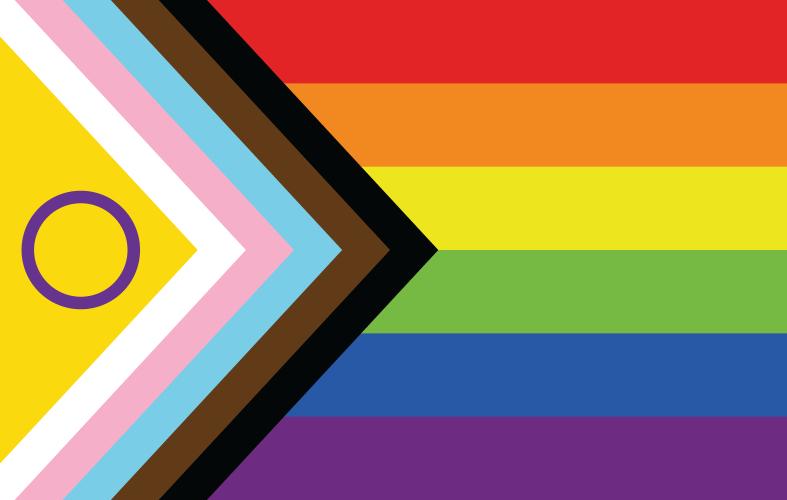
Happy Pride month! As you probably know, the rainbow flag is synonymous with this celebratory time that honours and uplifts the
2SLGBTQIA+ community. You’ll often spot it in the windows of people’s homes, on bumper stickers, pins, blowing in the wind on flag poles in addition to apparel like t-shirts and backpacks. This flag symbolizes unity, acceptance, and the fight for equal rights and when it’s displayed, it’s a way of showing support for the Queer community.
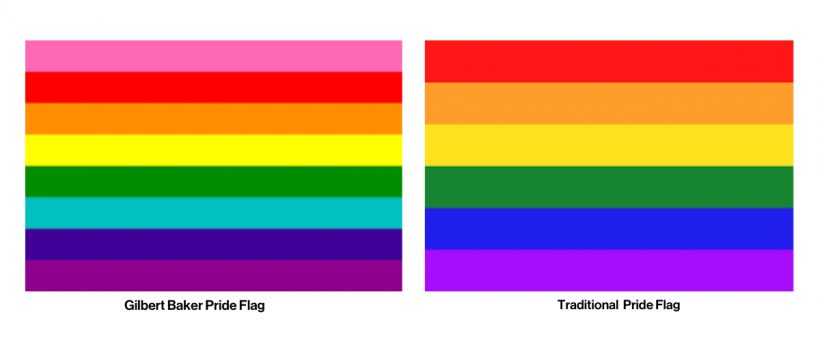
Designed by drag queen Gilbert Baker and dye artist Lynn Segerblom—at the urging of Harvey Milk (one of the first openly gay officials appointed to public office in the U.S.)—the original Pride flag debuted in 1978 at San Francisco’s Gay Freedom Day Parade. This first iteration of the flag (also known as the Gilbert Baker Pride Flag) had eight colours on it with each shade representing its own meaning. Shortly after the flag’s debut, two of the eight colours were dropped from the design (hot pink and turquoise, due to difficulties in manufacturing those shades) to reveal the six coloured flag that’s commonly used today.
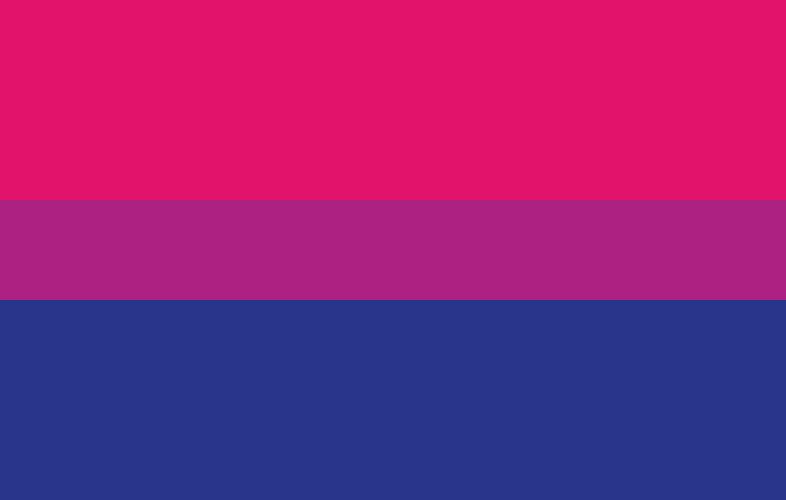
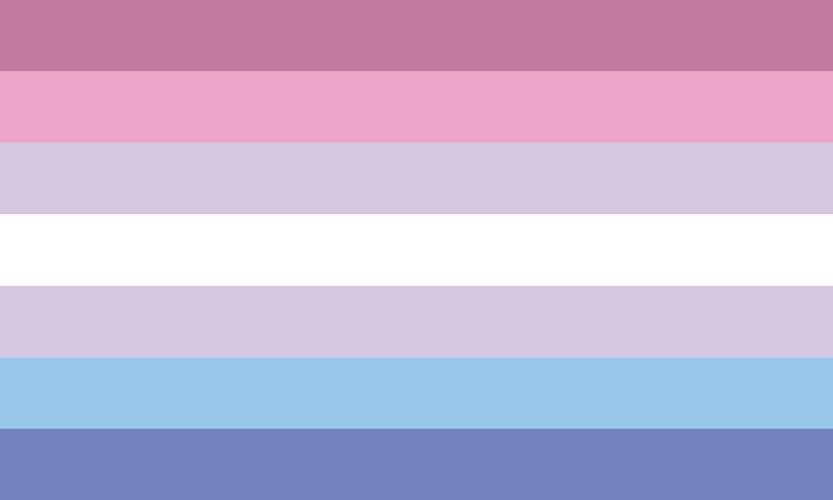
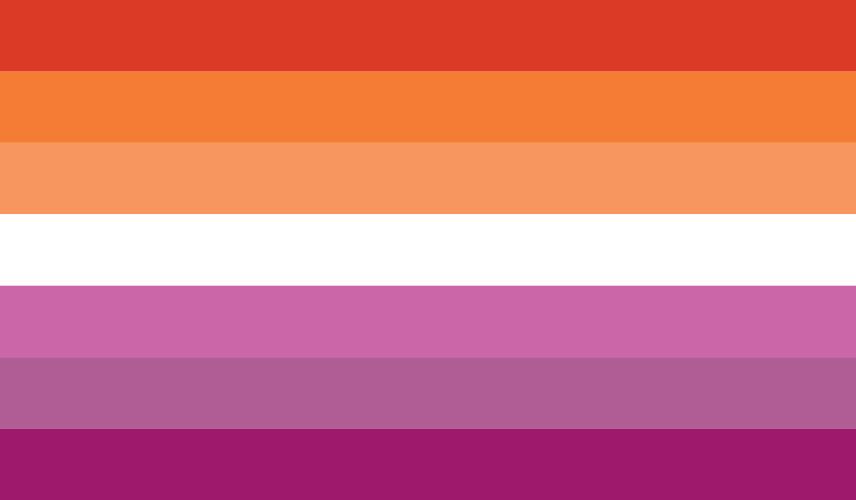
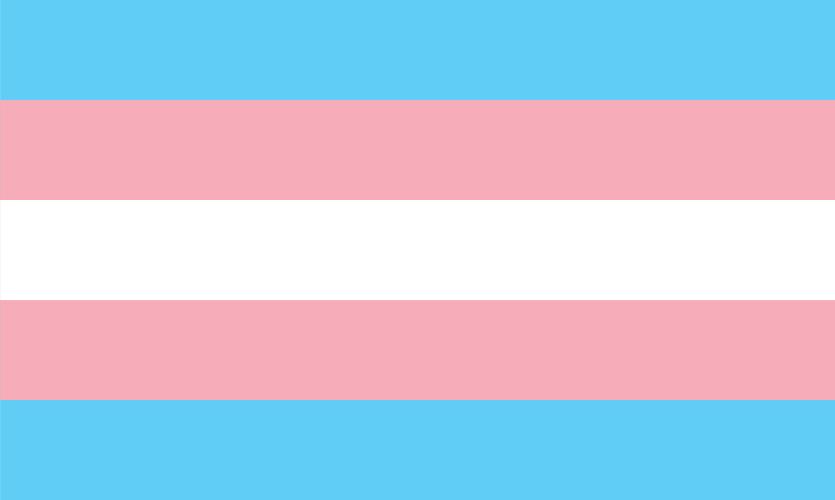
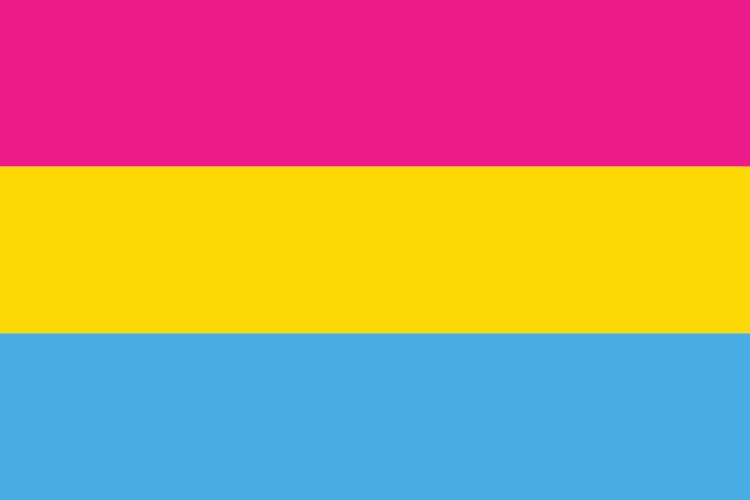
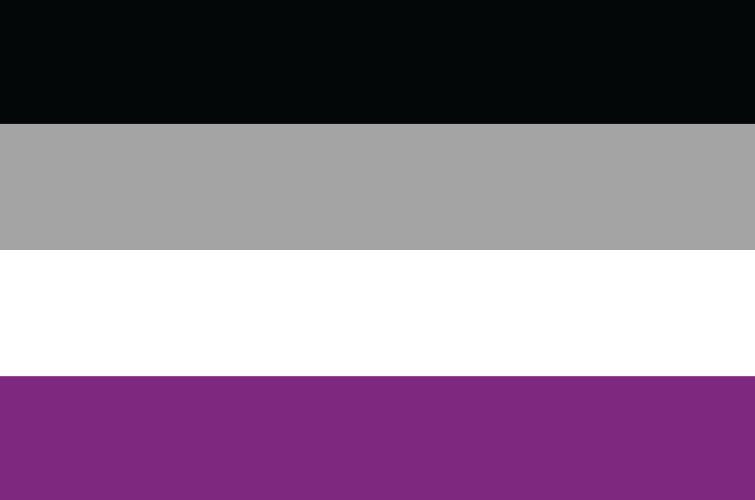
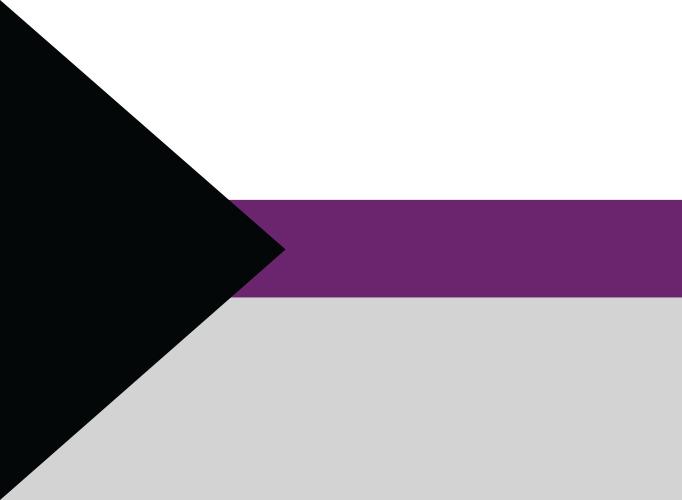
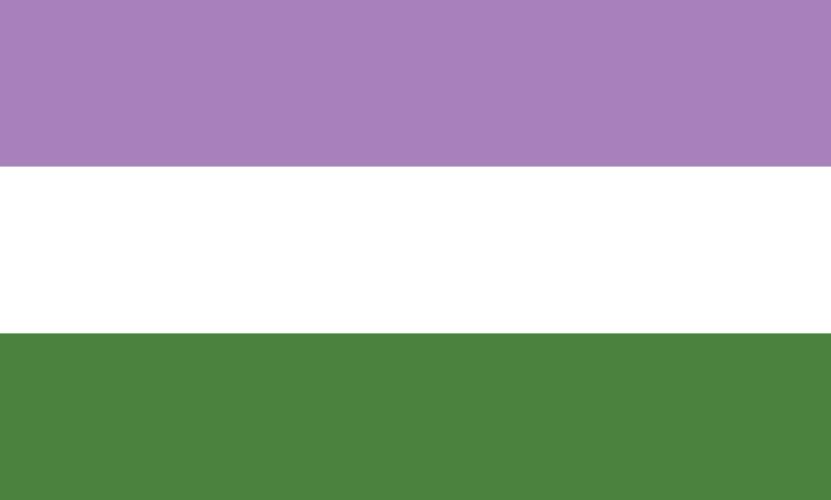
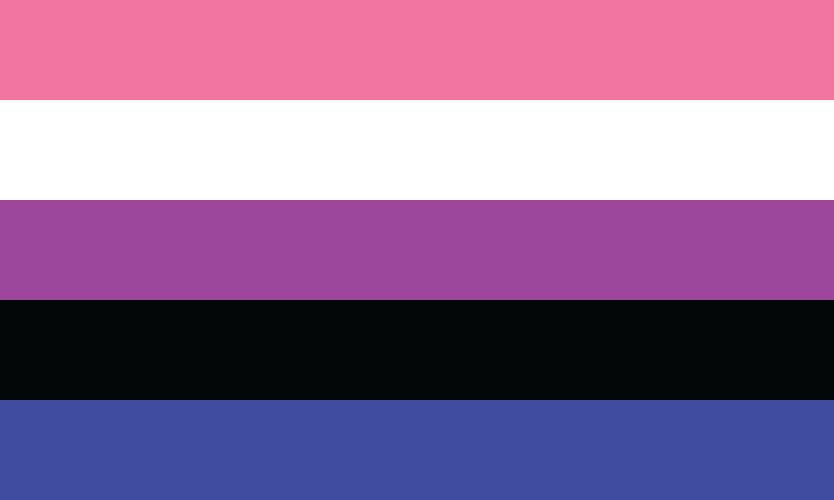
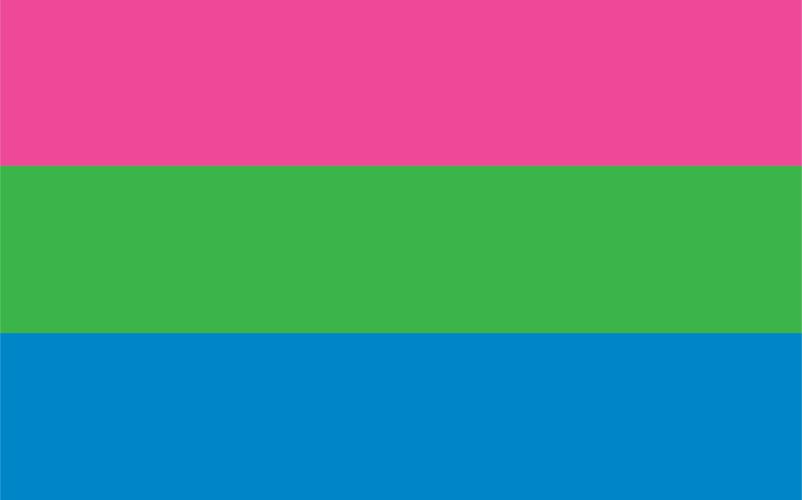
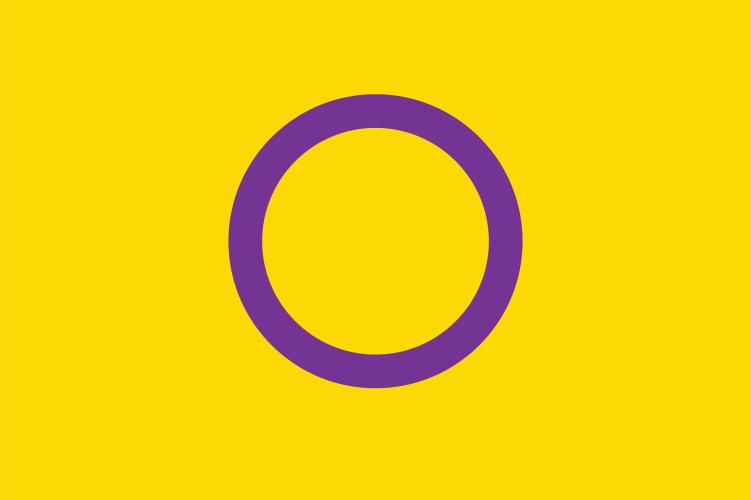
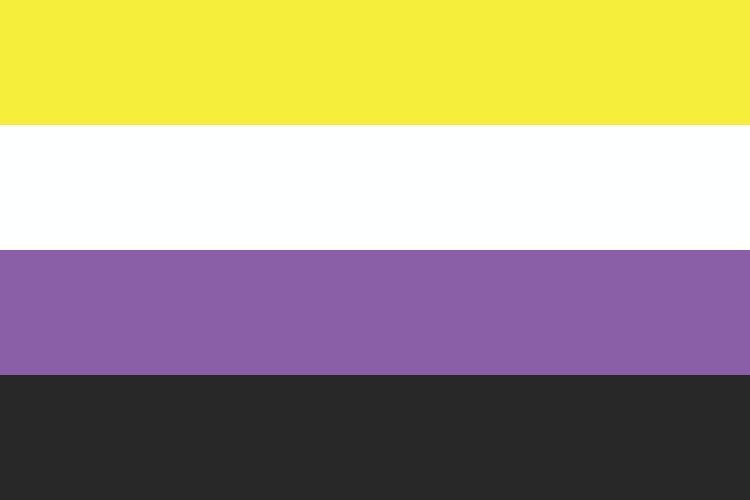
While the six striped Pride Flag is often used to represent
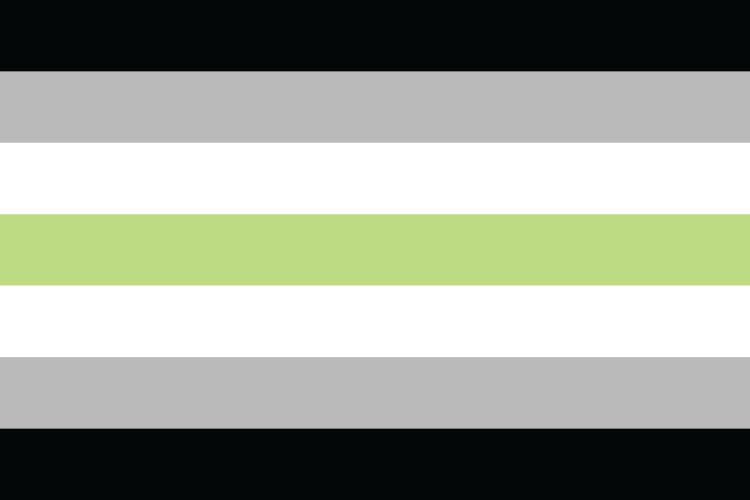
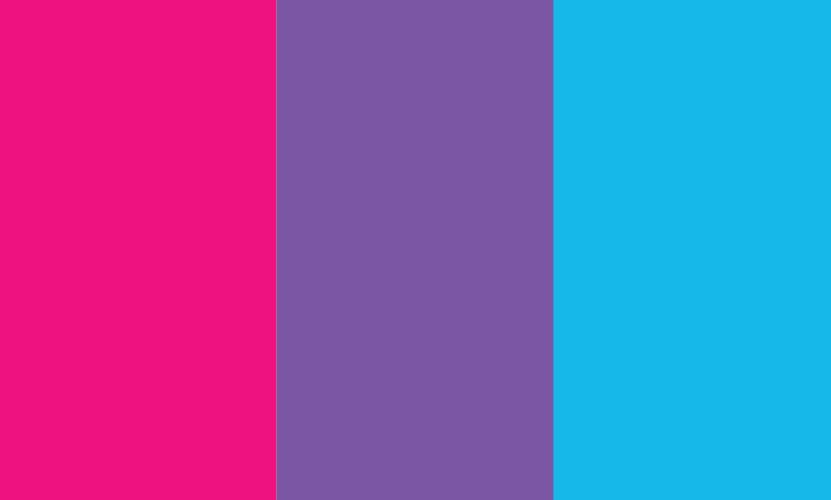
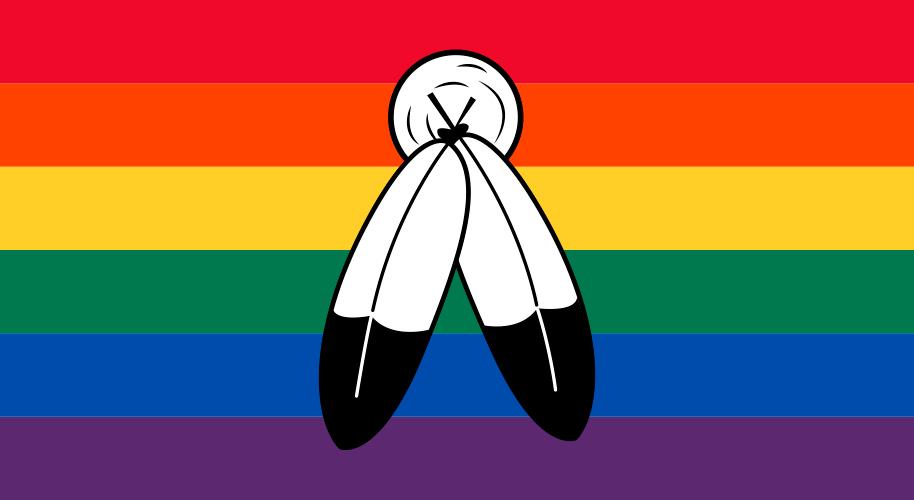
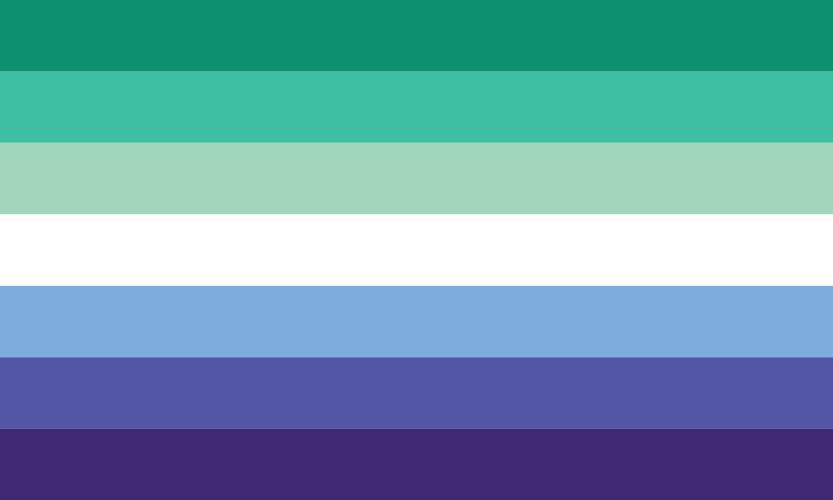
2SLGBTQIA+ individuals, there are now multiple flags that specifically represent different groups within the community.